
.svg)
Taking pictures for roof insurance
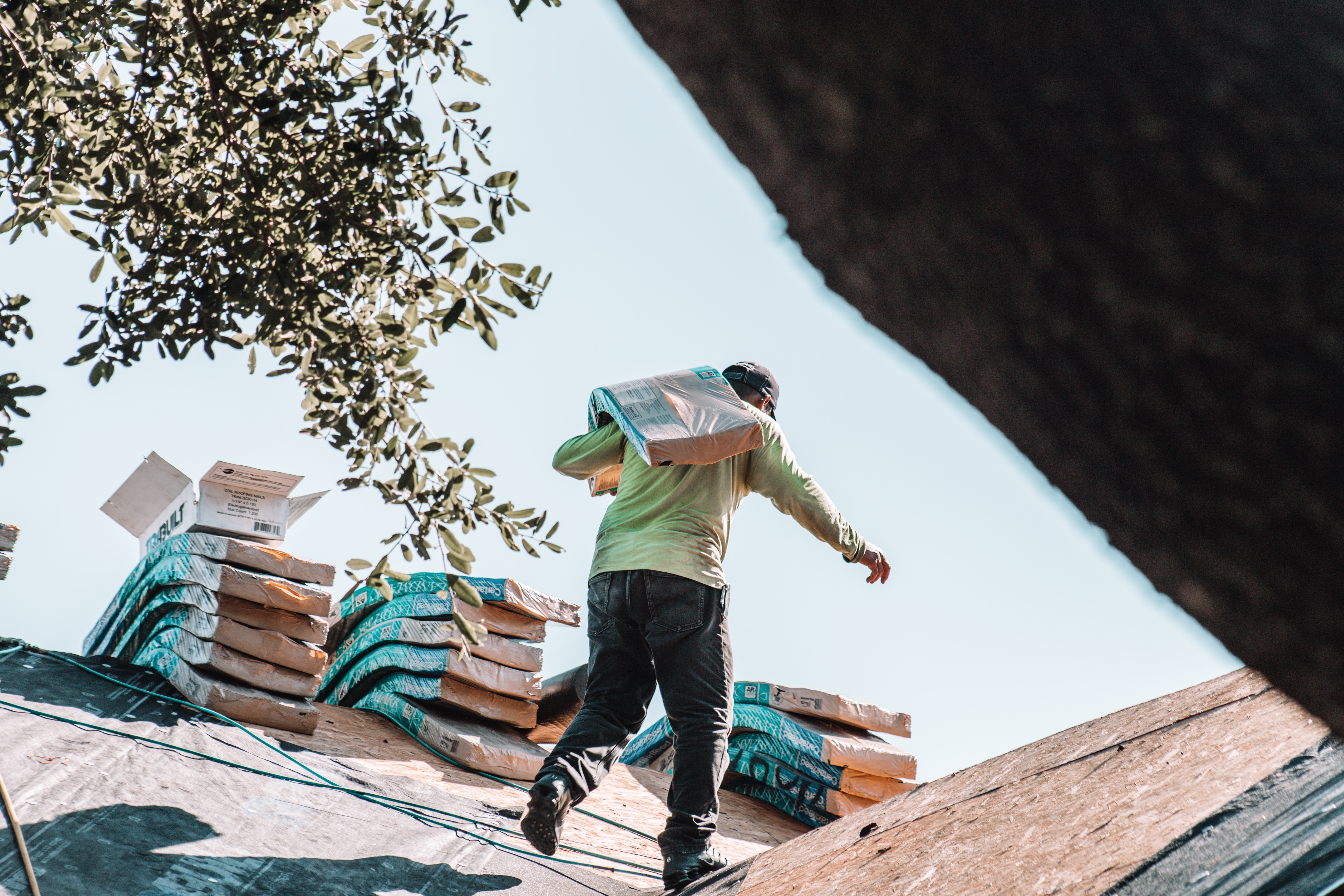
When it comes to insurance claims, visuals hold immense power in documenting damage and supporting
the claim's validity, which is why taking pictures for roof insurance is important. In today's
digital age, capturing pictures for insurance claims has become more accessible and crucial than
ever. From auto accidents to property damage, a well-documented set of images can streamline the
claims process and ensure a fair settlement.
In this article, we will provide a detailed step-by-step guide on how companies can effectively take
pictures for insurance claims.
If you're looking for information on taking pictures for roof insurance, stay tuned to learn
more.
Safety and Equipment
Before taking pictures for roof insurance, prioritize safety. In the case of car accidents or other
incidents involving injury or potential danger, ensure that everyone involved is safe and out of
harm's way. If there are any hazardous materials or situations, call emergency services immediately.
Once it is safe to do so, you can proceed with your taking pictures for roof insurance.
Ensure that the personnel responsible for documenting the claim have the necessary equipment on
hand. A smartphone or digital camera (an iPhone works) with a high-resolution capability is
sufficient for most cases. Also, consider carrying basic protective gear, such as gloves and safety
vests, especially if the scene involves debris or hazardous materials.
For your first step in taking pictures for roof insurance, start by capturing the overall context
of the incident. Take wide-angle shots that show the entire scene, including surrounding buildings,
roads, and other relevant features. These images will help the insurance company understand the
circumstances and verify the location. You want to have clear and precise shots when taking pictures
for insurance claims.
Focus on capturing detailed images of the damage. When taking pictures for roof insurance for auto
insurance, photograph the vehicles from various angles, capturing close-ups of the affected areas.
When taking pictures for roof insurance for property damage, take photos of each affected area,
including structural damage, broken belongings, and any other pertinent details. Ensure that the
photos are clear, well-lit, and in focus.

Take multiple shots from different angles to provide a comprehensive view of the damage. This helps
eliminate doubts about the extent of the harm and prevents any potential accusations of selective
photography. Multiple images also provide a more accurate representation of the incident, aiding the
insurance adjuster in their assessment.
We have a tool that we've created to help you in taking pictures for roof insurance.
If you're interested, click the link below to learn more.
Record important details
When taking pictures for roof insurance, know that most modern smartphones and digital cameras
automatically embed the date and time in the image's metadata. However, it's essential to
double-check this feature and ensure that the correct date and time are recorded. This information
acts as a timestamp, establishing the chronology of events.
If possible, obtain witness statements on camera. A short video recording of witnesses explaining
what they saw can serve as valuable evidence to support the claim. Remember to request permission
from the witnesses before recording their statements.
Backup all the images securely to prevent any loss or accidental deletion when taking pictures for
insurance claims. You can use cloud storage solutions or physical storage devices, such as external
hard drives, to ensure that the evidence is preserved.
Images provide visual evidence of the incident, illustrating the extent of the damage or loss. They
offer a clear and objective representation of the situation, reducing ambiguity and misunderstanding
about the claim's validity.
Insurance adjusters and claims investigators rely on visual evidence to evaluate the claim's
legitimacy and assess the extent of the damage. Well-captured images can expedite the claims
process, leading to faster settlements. This is good to know when taking pictures for insurance
claims.
Take pictures
Visual evidence helps in verifying the authenticity of the claim. It acts as a deterrent against
fraudulent claims, as it is more challenging to manipulate or fabricate photos compared to written
statements.
taking pictures for roof insurance also capture specific details that may be challenging to
describe in words. This level of detail can be crucial in understanding the full impact of an
incident and can prevent potential disputes later in the process. Images can be valuable in
substantiating the claim when dealing with third parties, such as law enforcement, other drivers, or
property owners. They provide an unbiased account of what happened and support the insured's version
of events.
When negotiating the claim with the insurance company, taking pictures for roof insurance and
providing strong visual evidence can enhance the claimant's position. It reinforces the legitimacy
of the claim and can lead to fairer settlement offers. Clear visual documentation fosters
transparency in the claims process. Both parties can see the evidence presented, which can lead to
more open and fair negotiations.
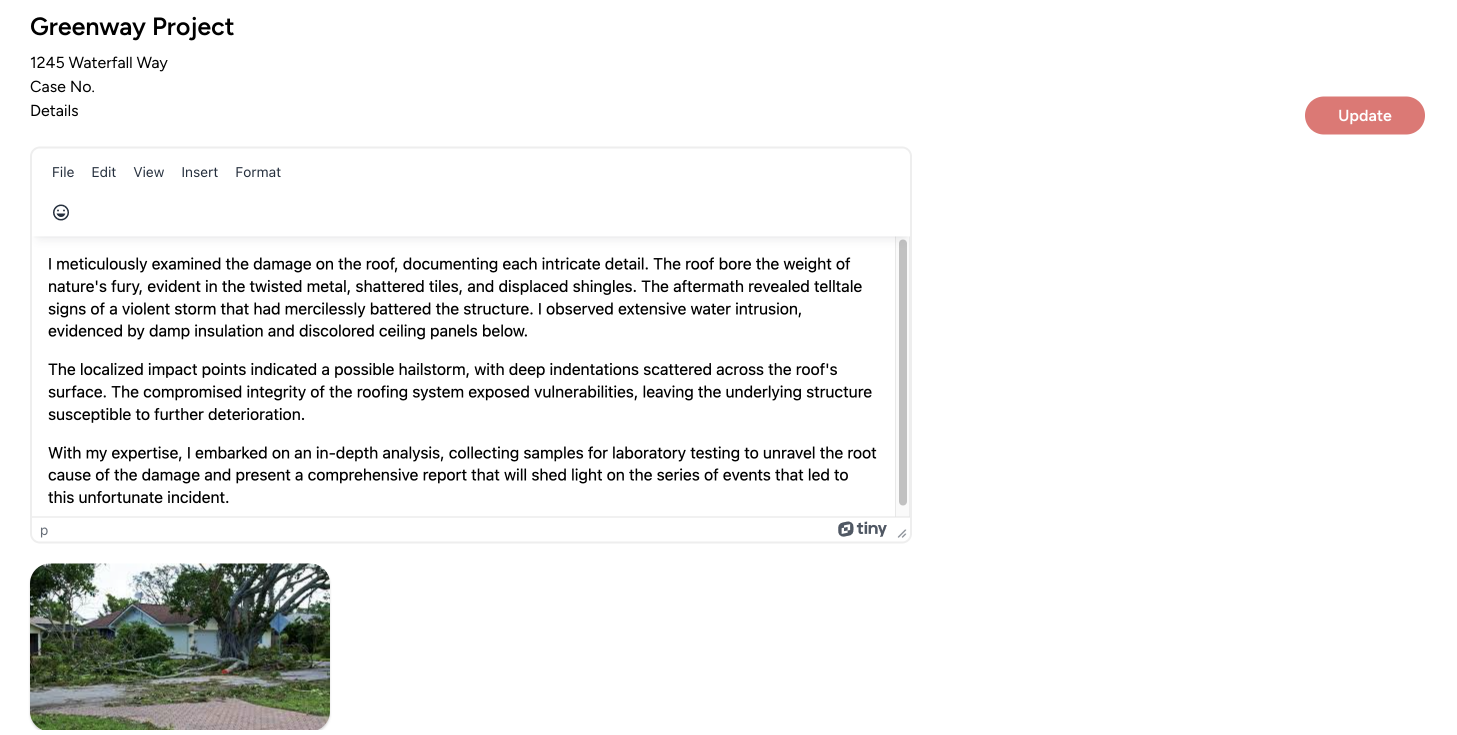
Conclusion
The process of ctaking pictures for roof insurance is a vital aspect of ensuring a smooth and efficient claims process. By following this comprehensive guide, companies can document incidents accurately, bolster their claims with visual evidence, and facilitate a fair and timely settlement. Remember, clear and well-organized photographs significantly increase the chances of a successful insurance claim.
taking pictures for roof insurance
If you're doing research on taking pictures for roof insurance, you'll want to check out our tool Kybo.
It's perfect for construction companies, engineering firms , roofers, contractors, and any business owner who is looking for tips on taking pictures for roof insurance, and needs a place to organize those pictures.